





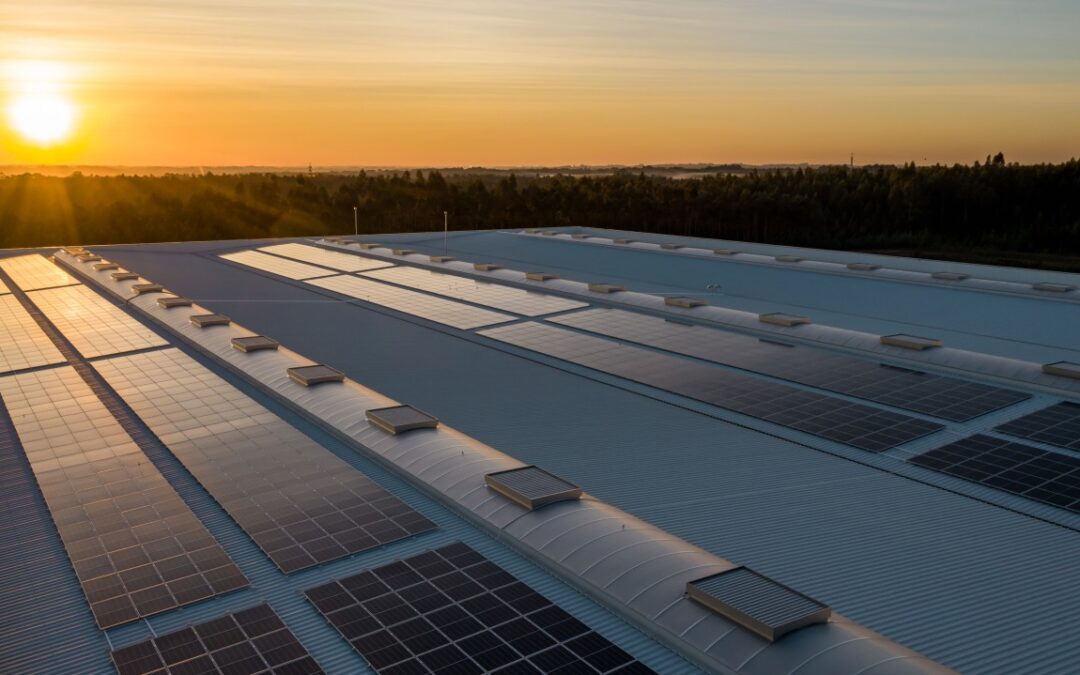
Maryland is ramping up its solar energy projects-let’s dispel some popular myths:
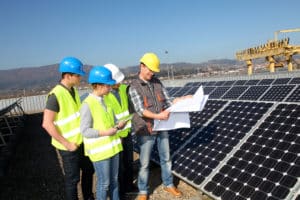
Agrivoltaics: farms choose to lease portions of property for duel us. Solar panels can be mounted in pastures and the pastures can still be used!
…”By integrating solar panels with agricultural land, farms can actually increase their efficiency, benefiting both food production and energy generation. In other words, the same piece of land can produce food for our tables and energy for our homes—a revolutionary approach to resource optimization.”
Utility scale projects have poor water management: no more true than any project where land is not leveled and prepped properly for the use of the construction to be put on the site.
…”Add in mitigation strategies like planting appropriate ground cover and conducting proper hydrology studies, and modern solar projects can preserve the integrity of the surrounding environment.”
Solar farms are an eyesore: Planned properly these farms are no more an eyesore than any other project. Plantings, land management, and use of lower glare solar panels on farms greatly mitigate attention to the structures.
…”And no, utility-scale solar energy farms will not severely decrease property values for surrounding homes. In fact, in the largest study of its kind, researchers looked at 1.8 million property transactions near solar farms in six states and found no drop in property values for homes more than a mile from the installation. Homes within a quarter-mile of some utility-scale solar farms saw a modest average property value decrease of 2.3%, still much smaller than the negative effects for homes located near places like landfills, fossil fuel plants, and highways.”
**Source The Reality of Solar Power: Debunking 6 Common Solar Farm Myths – ARRAY Technologies
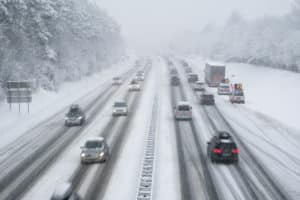
Solar panels don’t work when it’s cloudy or cold: WRONG
Solar panels continue to collect and generate energy when it’s cloudy, and because they are collecting power from sunlight, freezing temperatures do not affect them either.
HOT weather actually can affect solar panels more than cold-but they are able to sustain up to 149 degrees Fahrenheit. Weather conditions would be a strong reason to make sure you are dealing with an experienced, licensed installer in your demographic who will account for conditions.
Currently the state of Maryland is taking a strong look at the long-term impacts of utility grade solar expansions.
…”While the implications of solar are still unknown, misconceptions on the industry continue to surge — especially for community solar projects where thousands of panels are being placed next to, and sometimes within, residential neighborhoods. Farmland tends to be a prime target for solar projects, resulting in panic in communities that depend on agriculture.
Through focus groups and surveys, researchers are seeking to answer questions about the growing industry of solar energy.”…
For both the possible upsides and downsides of utility scale solar farming, please see the source article:
University of Maryland professor sorts through myths about long-term implications of solar farms
Long term impacts should be studied and data collected and shared so Marylanders can move forward making intelligent grid decisions.
We look forward to these reports and the constructive data that will impact keeping “clean energy” safe and effective.
Grant Shmelzer, CEO IEC Chesapeake