










Highlights
- AI is changing the workplace, but the electrical industry still needs skilled people who can get the job done.
- Career opportunities extend far beyond installing wiring, including estimating, purchasing, and project management.
- The growth of AI-powered data centers is helping drive demand for electrical expertise.
- IEC Chesapeake offers apprenticeship training that lets participants earn while they learn.
Unless you’ve managed to tune out the headlines lately, you’ve probably heard plenty about artificial intelligence and what it means for the future of work.
Layoffs, corporate reorganizations, and growing concerns about job security have left plenty of people wondering what comes next. But here’s something you probably aren’t hearing nearly enough about: The electrical industry needs skilled people, and we’re not going anywhere.
In fact, the very technology that’s making some workers nervous is creating exciting new career opportunities in our industry. And we’re talking about a whole lot more than electricians pulling wire.
If you’re looking for a career with staying power, you might be surprised by what the electrical industry has to offer. Here are five reasons it’s worth a closer look.
1. Some jobs still need a human touch.
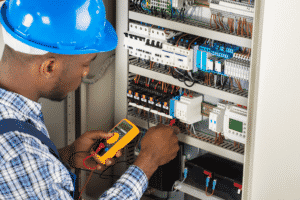
AI can analyze enormous amounts of information and handle routine tasks with impressive speed. But there’s a big difference between processing information and knowing what to do when an electrical system isn’t working the way it should.
On a construction site, conditions don’t always go according to plan. Troubleshooting problems and making sure installations meet safety requirements call for trained professionals who understand the work and can make sound decisions on the spot.
That’s the advantage of a skilled trade. Technology will keep changing, but there’s no substitute for knowing what you’re doing.
2. Think it’s all about wiring? Think again.
When most people picture a career in the electrical industry, they imagine an electrician working on a construction site. And while electricians are the backbone of what we do, there’s a whole lot more happening behind the scenes.
Every electrical project involves professionals who estimate costs, prepare bids, and coordinate the work. Purchasing specialists keep materials flowing, while opportunities in lighting design, product specification, and electrical distribution offer entirely different ways to build a career.
Some positions involve hands-on fieldwork, while others are better suited to people with business or technical interests. The point is, you don’t have to picture yourself on a ladder to picture yourself in the electrical industry.
3. Tech can be a pretty valuable coworker.
While some businesses are looking at AI as a way to reduce their workforce, electrical contractors are finding ways to use it to work smarter. AI can help contractors sort through project details, keep schedules on track, and cut down on paperwork that nobody enjoys doing.
That doesn’t mean turning everything over to a computer. Experienced professionals still need to evaluate the results and make decisions based on what’s happening in the real world. But when technology takes some of the busywork off their plates, they have more time to focus on what they do best.
And that’s just the beginning. According to a recent report in Contractor Magazine, nearly two-thirds of contractors using AI say it’s helping them work more efficiently.
4. Somebody has to keep those data centers running.
Here’s an interesting twist: The AI boom that’s creating uncertainty in some industries is generating opportunities in ours. Data centers require enormous amounts of power, along with skilled professionals to install and maintain the electrical infrastructure that keeps them operating.
And that’s only part of the picture. New construction projects need electrical expertise, while existing buildings require maintenance and upgrades. As technology advances, so does the need for people who understand the increasingly sophisticated systems that power our everyday lives.
Funny how an industry that’s been around for generations keeps finding itself at the center of what’s next.
5. Maybe it’s time to rethink your career plans.
Been laid off or worried you might be next? Perhaps you’re a high school student considering your options after graduation, or a college student wondering whether the job market will have a place for you.
And parents and guidance counselors, we’re talking to you, too. With so much uncertainty surrounding traditional career paths, isn’t it time to give the skilled trades a closer look?
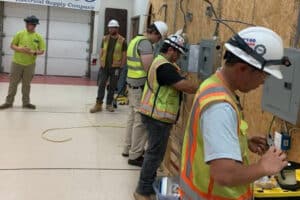
An electrical apprenticeship offers the opportunity to earn while you learn, building practical skills that can lead to a rewarding career. It’s a path worth considering whether you’re just entering the workforce or looking for a fresh start.
The electrical industry is open for business and we want you! We’ve been here all along, even when the skilled trades weren’t getting much attention. Now it’s time to see what you’ve been missing.
Why spend all your time worrying about what AI might take away when you can start exploring what’s ahead? Discover IEC Chesapeake’s electrical apprenticeship programs.
Frequently Asked Questions
AI can assist with planning and routine tasks, but electricians perform complex physical work that requires training and judgment. Skilled electrical professionals remain essential.
Opportunities include estimating, purchasing, lighting design, project management, electrical distribution, and product specification. Not every position requires working on a construction site.
Data centers require extensive electrical infrastructure to support computing equipment. Building and maintaining these facilities creates demand for trained professionals.
No. Electrical apprenticeships offer an alternative pathway that combines classroom instruction with paid, hands-on training.
Yes. Apprenticeships aren’t limited to recent high school graduates. Adults can explore training programs if they meet the eligibility requirements.
IEC Chesapeake offers electrical apprenticeship and training programs designed to develop technical knowledge and practical skills. Visit its website to learn more about available opportunities and application requirements.
AI is reshaping the workplace, but it’s also opening doors in the skilled trades. IEC Chesapeake can help you prepare for what’s next through hands-on training and apprenticeship opportunities. Explore our programs today.
Originally written by Jenny Boone